Ask for a price for “a smart factory” and you will often get a question back. That is not dodging the issue. A hall with three new lines and tidy PLCs is a different project from a machine park spanning four decades, half of which has never seen a network cable.
Where the money goes
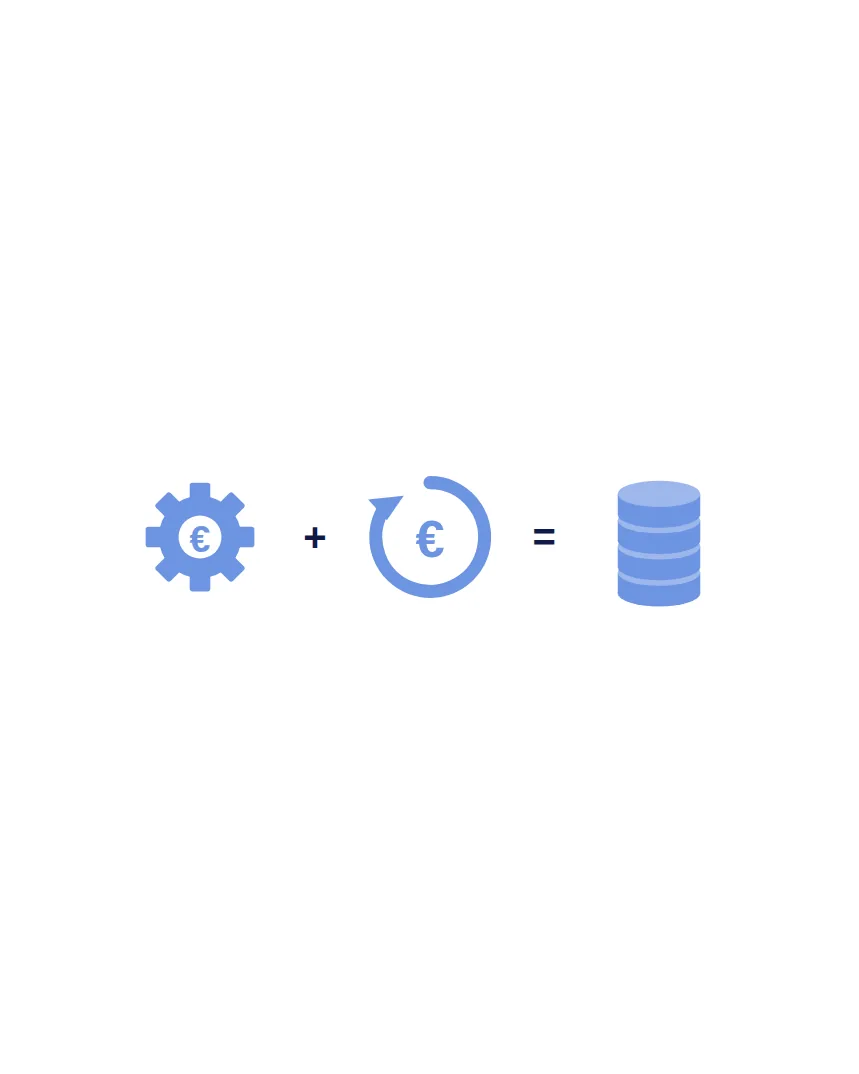
A project has two kinds of cost.
- One-off set-up: connecting machines, fitting IoT hardware where a machine does not supply data itself, integrating existing systems and building the first dashboards.
- Monthly subscription: the software, the management and the further development of what is running.
The data lives in your own Azure environment or on-premise. Include that hosting in your budget, because it falls under your own contract.
What pushes the price up or down
- Number of machines. Every machine that counts has to be connected and configured.
- State of the machine park. A modern PLC with OPC UA connects faster than an older machine that first needs a sensor.
- Number of integrations. ERP, MES, quality or energy systems: every system that takes part is work.
- The starting area. Efficiency, quality, energy or the shop floor each call for different measurements and different dashboards.
Worked example: what is one OEE point worth?
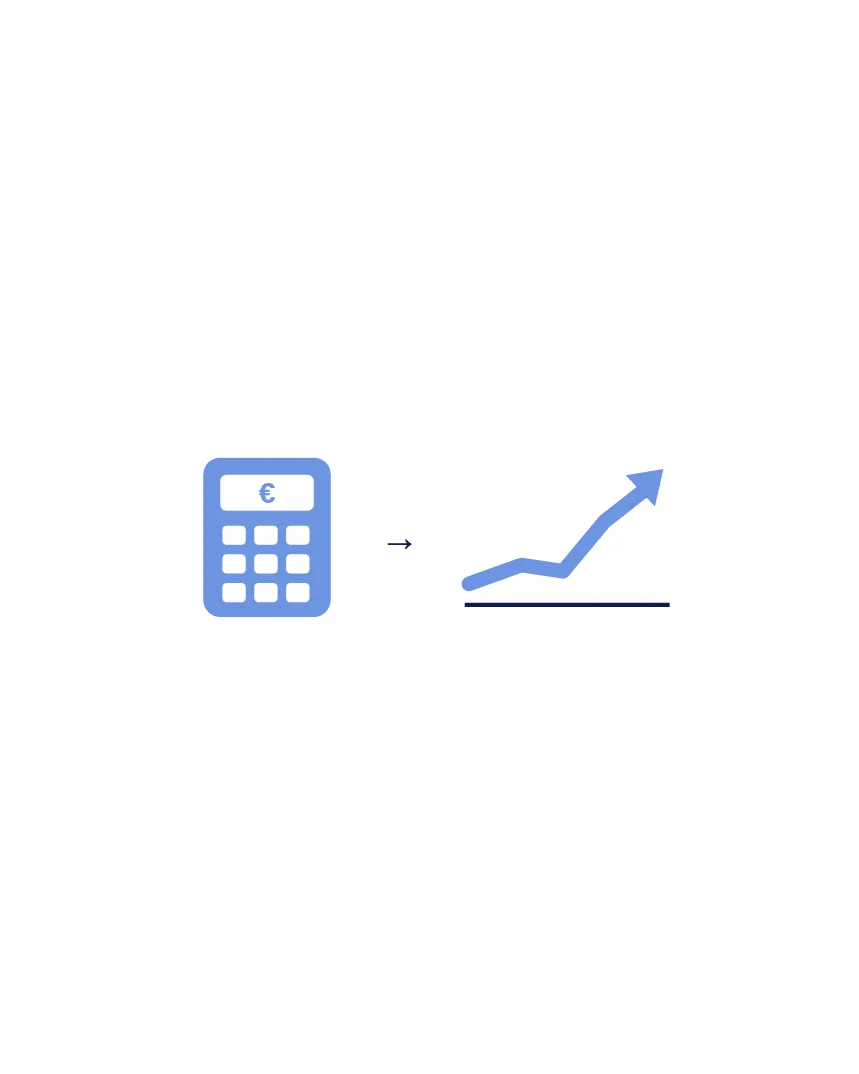
A price only means something next to what the losses cost you today. Say a line runs 4,000 hours a year on two shifts, and each production hour brings in €300 of contribution margin.
- One percentage point of OEE is 1% of 4,000 hours = 40 extra hours of good output a year
- 40 hours × €300 = €12,000 a year
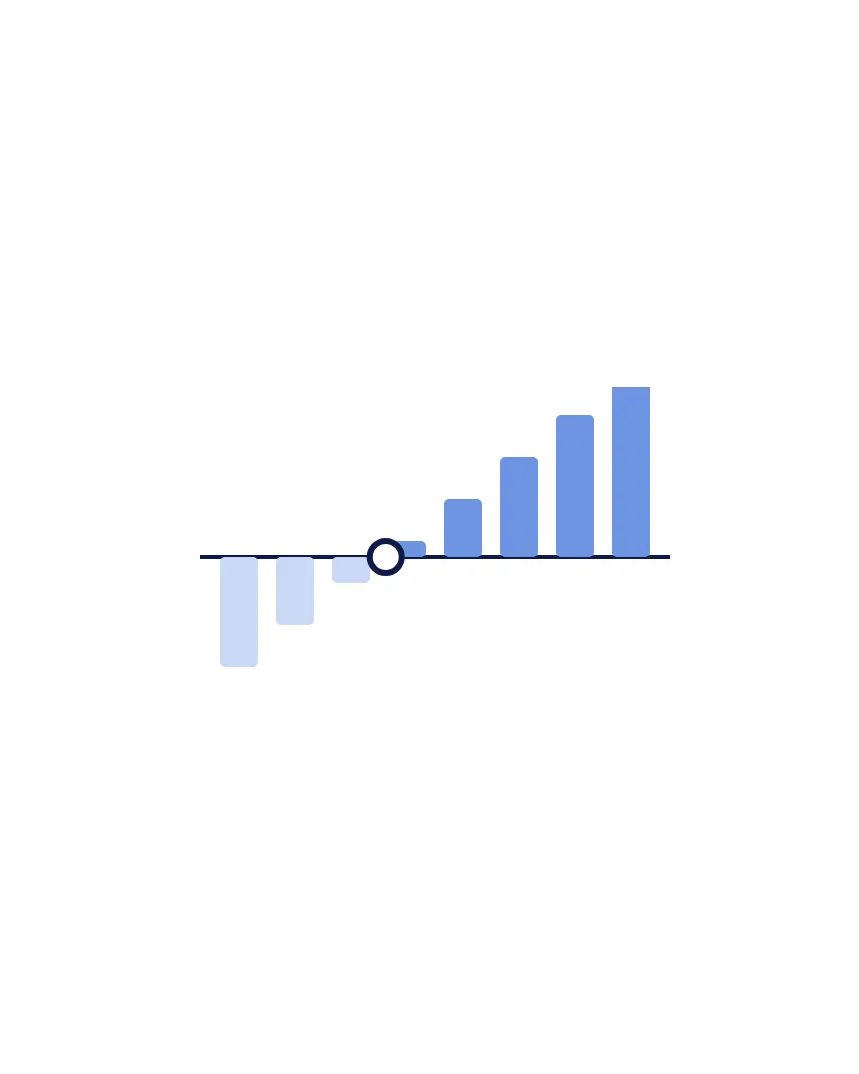
- Invest €30,000, in the middle of the range, and it pays for itself once you gain 2.5 OEE points and hold them for a year, before running costs
That turns the question around. Not “what does it cost?”, but “how many points does it need to deliver?”. You can test that answer against your own downtime causes. For the full calculation, including scrap and energy, see payback period of production data.
Why we start with one line
With the One-line concept you run that calculation on your own figures instead of assumptions. One line or installation, fixed in scope and fixed in price, working within 6 to 8 weeks. We then measure for 2 to 4 weeks and you get a report with the results and a substantiated business case for the rest of the factory.
At CCI we started on one casting line. It now runs at four plants.
Count your own hours
The item most often missing from budgets is internal time. Someone from the maintenance department or IT who helps sort out the integrations. And an owner who uses the figures every week. Without that owner, three months later there is a nice screen on the wall that nobody looks at.
The first step costs nothing
The Quick Scan is free: half a day on site and, within a week, a report with the biggest improvement opportunities. In it we also cost out a set-up that fits your situation, so you know where you stand before you start.
Frequently asked questions
What does a smart factory system cost for a manufacturer?
Most projects start between €10,000 and €50,000: a one-off set-up plus a monthly subscription. The number of machines, the number of integrations and the area you start in decide where you end up.
Do we have to replace machines?
No. Existing machines are connected through standard protocols such as OPC UA and Modbus, or with our own IoT hardware where a machine does not supply data itself. Production keeps running during installation.
Do we know the price in advance?
Yes. After scoping, the scope and the price are fixed. With the One-line concept the price for one line or installation is agreed up front.
What does the Quick Scan cost?
Nothing. Half a day on site and, within a week, a report with the biggest improvement opportunities, with no obligation to continue.
How long before it is running?
A basic implementation is usually up within 4 to 8 weeks. You start on one line and expand from there.