
Energy monitoring: what is it, what can you do with it, and how do you implement it?
Energy monitoring: what is it, what can you do with it, and how do you implement it?
Discover how to make waste visible with energy monitoring, reduce costs, and comply with regulations at the same time.
Discover how to make waste visible with energy monitoring, reduce costs, and comply with regulations at the same time.
Nov 26, 2025
What is energy monitoring?
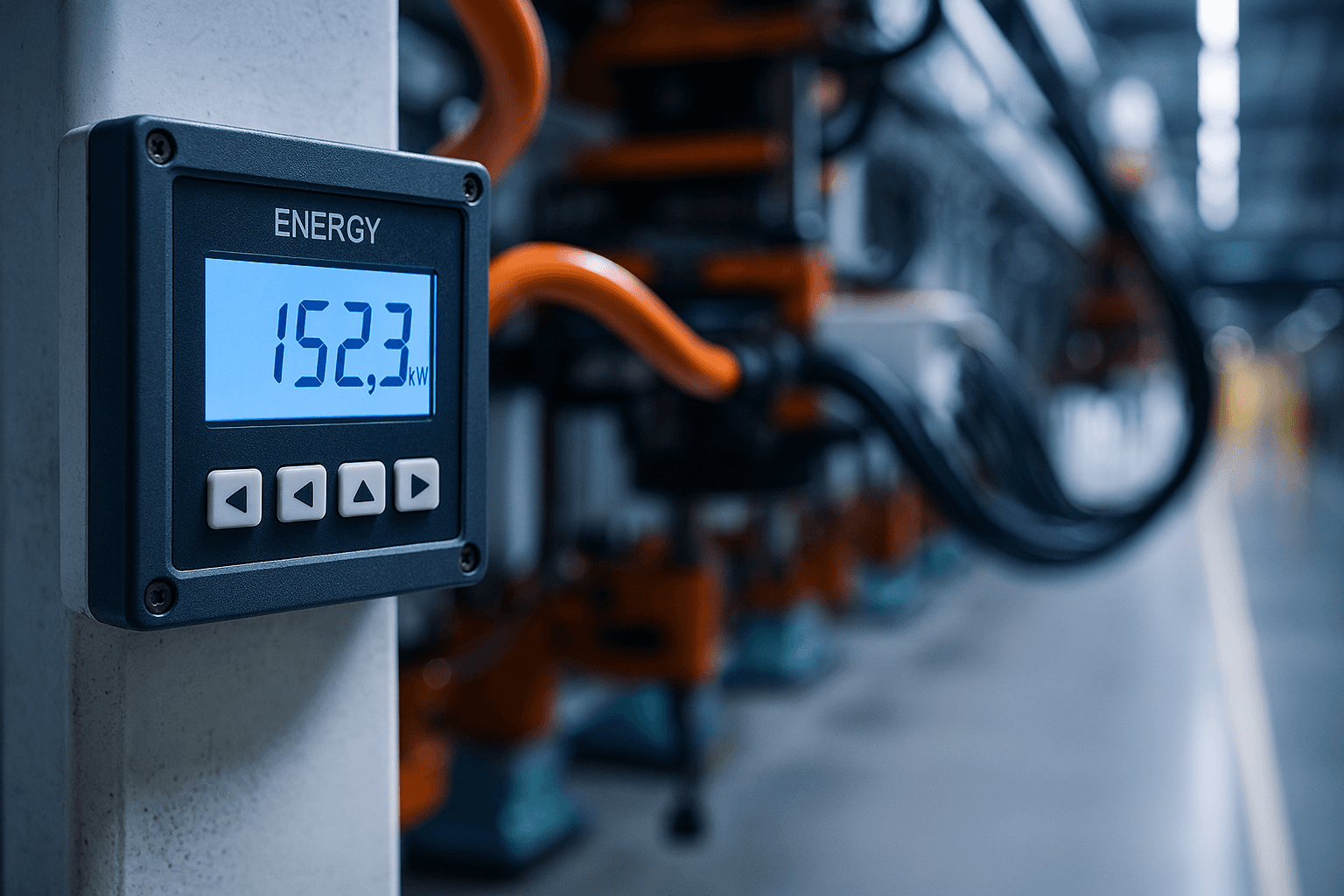
Energy monitoring is the continuous measurement, analysis, and management of energy consumption within an organization. It not only concerns electricity but also gas, heat, compressed air, or even water. While many companies stop at the main meter, energy monitoring takes it a step further. By also using submeters and sensors at the asset level, think of production lines, HVAC systems, compressors, or cooling units, a fact-based picture of actual energy consumption is created.
In other words: energy monitoring makes visible where, when, and why you consume energy. This enables targeted adjustments, identifies waste, and allows for substantiated investment choices. Instead of relying on a gut feeling about a "too high energy bill," monitoring allows you to pinpoint exactly where energy is leaking unnoticed, for example, from installations that continue to run outside production hours or from phantom load that escapes attention.
Energy monitoring is the continuous measurement, analysis, and management of energy consumption within an organization. It not only concerns electricity but also gas, heat, compressed air, or even water. While many companies stop at the main meter, energy monitoring takes it a step further. By also using submeters and sensors at the asset level, think of production lines, HVAC systems, compressors, or cooling units, a fact-based picture of actual energy consumption is created.
In other words: energy monitoring makes visible where, when, and why you consume energy. This enables targeted adjustments, identifies waste, and allows for substantiated investment choices. Instead of relying on a gut feeling about a "too high energy bill," monitoring allows you to pinpoint exactly where energy is leaking unnoticed, for example, from installations that continue to run outside production hours or from phantom load that escapes attention.
Why energy monitoring now?
Energy monitoring is not only meaningful, but also particularly relevant at this time. There are several reasons for this:
1. Cost Control
Energy prices have risen sharply in recent years and remain volatile. Every kilowatt hour you do not consume does not need to be purchased or covered with long-term energy contracts. Especially in production environments where consumption runs into millions of kilowatt hours per year, even a relatively small saving can yield tens of thousands of euros.
2. Legislation and Regulations
From European and Dutch regulations, the obligation to have insight into your energy consumption is growing. Think of the EED audit obligation, the information obligation for energy savings, or reporting obligations within ESG and the upcoming CSRD. With energy monitoring, you have objective data instead of assumptions, which makes reporting and improvement much simpler.
3. Continuity and Process Optimization
With real-time monitoring, you prevent surprises. You see deviations before they develop into failures or peak consumption. You shorten fault diagnosis, prevent fines for overloading the grid, and can fine-tune processes better. Thus, energy monitoring contributes not only to savings but also to reliability.
A simple calculation example
Suppose: your factory consumes 4,000,000 kWh per year at an average of €0.20/kWh. That is €800,000. Just 8% saving through better adjustments and turning off outside of hours = €64,000 per year. Add to that avoided peak power fines and maintenance savings, and your business case is made, often without significant investments.
Energy monitoring is not only meaningful, but also particularly relevant at this time. There are several reasons for this:
1. Cost Control
Energy prices have risen sharply in recent years and remain volatile. Every kilowatt hour you do not consume does not need to be purchased or covered with long-term energy contracts. Especially in production environments where consumption runs into millions of kilowatt hours per year, even a relatively small saving can yield tens of thousands of euros.
2. Legislation and Regulations
From European and Dutch regulations, the obligation to have insight into your energy consumption is growing. Think of the EED audit obligation, the information obligation for energy savings, or reporting obligations within ESG and the upcoming CSRD. With energy monitoring, you have objective data instead of assumptions, which makes reporting and improvement much simpler.
3. Continuity and Process Optimization
With real-time monitoring, you prevent surprises. You see deviations before they develop into failures or peak consumption. You shorten fault diagnosis, prevent fines for overloading the grid, and can fine-tune processes better. Thus, energy monitoring contributes not only to savings but also to reliability.
A simple calculation example
Suppose: your factory consumes 4,000,000 kWh per year at an average of €0.20/kWh. That is €800,000. Just 8% saving through better adjustments and turning off outside of hours = €64,000 per year. Add to that avoided peak power fines and maintenance savings, and your business case is made, often without significant investments.
How does energy monitoring work in practice?
In organizations involved in production, logistics, and building management, we often see the same types of savings potential recurring. Here is a selection of the most common insights provided by energy monitoring:
Off-hours consumption
Machines, fans, or lighting keep running "just in case," even outside of working hours. This often arises from convenience, lack of insight, or the absence of clear agreements. With monitoring, you can immediately see what happens when no one is present. By using simple calendars, presence detection, or automatic shutdown, you can often save directly on this.
Compressed air leaks
Compressed air is one of the most expensive forms of energy in a factory and one of the least visible. A small leak can cause hundreds of euros in waste over a year. By making continuous flows visible, you can detect phantom consumption. In combination with a weekly "leak walk," this often results in immediate cost savings.
HVAC and cooling
Many systems are set to operate at too low setpoints or have overly broad regimes. Consider cooling systems that start up far too early or air handling systems that run 24/7. By managing based on actual needs and improving the management of recipes and settings, you can often realize gains without compromising comfort or safety.
Peak loading due to simultaneity
At the start of a shift, multiple heavy installations are often turned on simultaneously. This creates a spike in consumption, leading to higher costs charged by the grid operator. By programming the start-up in sequence (for example, delaying by one minute), you can easily reduce this issue.
In organizations involved in production, logistics, and building management, we often see the same types of savings potential recurring. Here is a selection of the most common insights provided by energy monitoring:
Off-hours consumption
Machines, fans, or lighting keep running "just in case," even outside of working hours. This often arises from convenience, lack of insight, or the absence of clear agreements. With monitoring, you can immediately see what happens when no one is present. By using simple calendars, presence detection, or automatic shutdown, you can often save directly on this.
Compressed air leaks
Compressed air is one of the most expensive forms of energy in a factory and one of the least visible. A small leak can cause hundreds of euros in waste over a year. By making continuous flows visible, you can detect phantom consumption. In combination with a weekly "leak walk," this often results in immediate cost savings.
HVAC and cooling
Many systems are set to operate at too low setpoints or have overly broad regimes. Consider cooling systems that start up far too early or air handling systems that run 24/7. By managing based on actual needs and improving the management of recipes and settings, you can often realize gains without compromising comfort or safety.
Peak loading due to simultaneity
At the start of a shift, multiple heavy installations are often turned on simultaneously. This creates a spike in consumption, leading to higher costs charged by the grid operator. By programming the start-up in sequence (for example, delaying by one minute), you can easily reduce this issue.
How do you implement energy monitoring with VDS?
1) Inventory
We come to your location and map all energy flows. We determine the correct measurement points (total consumption, peak load, night load, and critical assets) so that consumption patterns and quick wins become immediately visible.
2) Unlocking main meter data
Through a secure API, we connect your metering company (Kenter, Joulz, Fudura) and configure the data flows and access rights according to your IT/OT policy. Data comes in daily or more frequently.
3) Installation of submeters
Our own VDS installers (or your technical department) install energy consumption meters on machines, HVAC systems, and PV installations. We schedule this without any downtime, as the factory does not need to be de-energized. Additionally, we follow your safety procedures and provide a complete delivery dossier.
4) Monitoring & dashboards
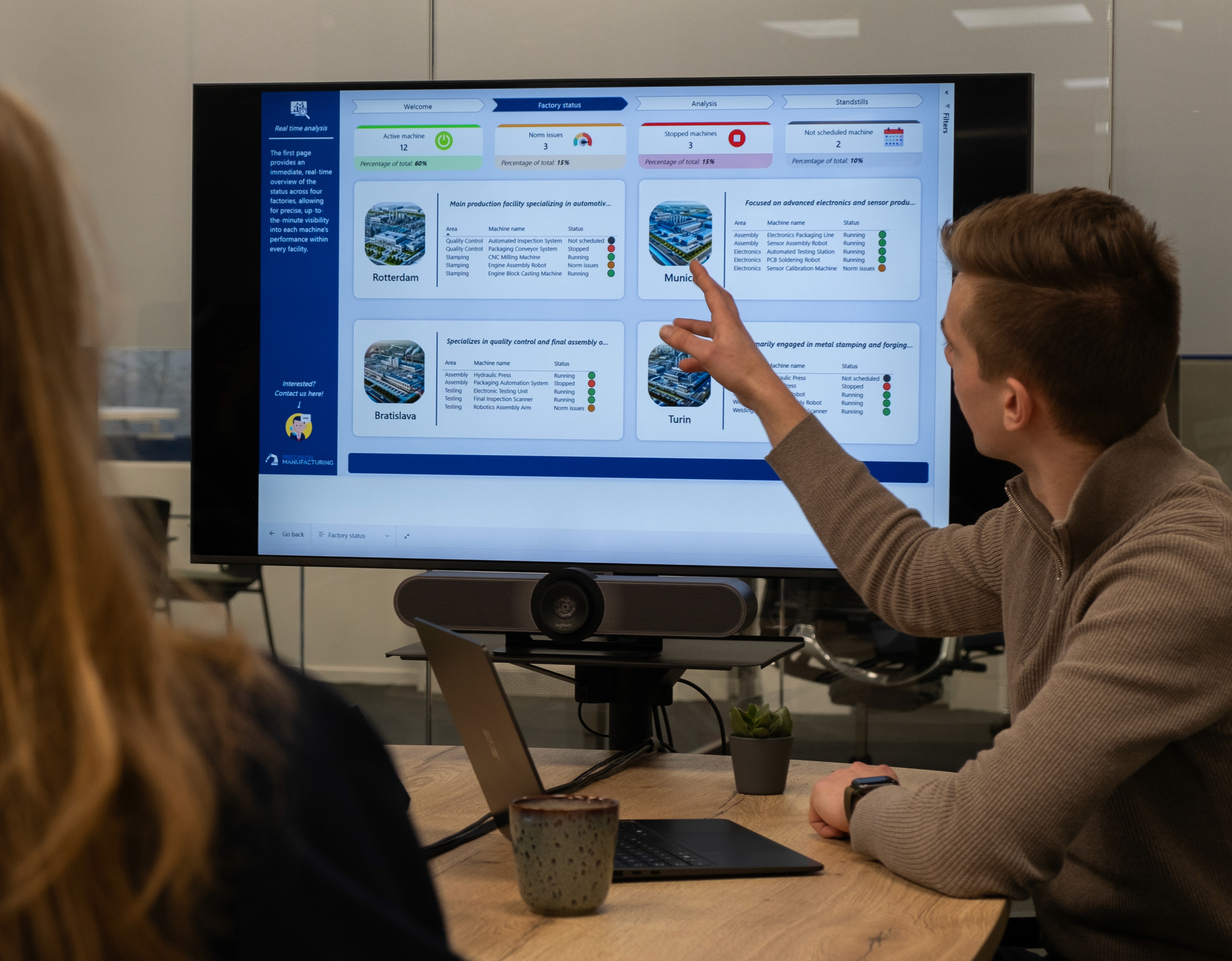
Main and submeter data are combined in one environment (existing EMS or a VDS dashboard) with real-time graphs and alerts on peaks, phantom consumption, and maintenance signals. KPIs are uniform (e.g., baseload-%, peak-%, kWh/m², kWh per product) so that locations can be easily compared.
5) Action loop (from insight to intervention)
Alerts lead to concrete actions: adjusting setpoints and schedules in GACS, tightening timers, or creating a work order for the technical department. We measure the effect back in the dashboard and hold a monthly PDCA review with operators and technical staff on-site.
6) Scaling up & securing
After the pilot, we roll out to additional lines/locations, standardize KPI definitions and reports (audit-ready), and establish management and security. Multi-site benchmarking and EED/ISO-ready reports are part of the standard.
1) Inventory
We come to your location and map all energy flows. We determine the correct measurement points (total consumption, peak load, night load, and critical assets) so that consumption patterns and quick wins become immediately visible.
2) Unlocking main meter data
Through a secure API, we connect your metering company (Kenter, Joulz, Fudura) and configure the data flows and access rights according to your IT/OT policy. Data comes in daily or more frequently.
3) Installation of submeters
Our own VDS installers (or your technical department) install energy consumption meters on machines, HVAC systems, and PV installations. We schedule this without any downtime, as the factory does not need to be de-energized. Additionally, we follow your safety procedures and provide a complete delivery dossier.
4) Monitoring & dashboards
Main and submeter data are combined in one environment (existing EMS or a VDS dashboard) with real-time graphs and alerts on peaks, phantom consumption, and maintenance signals. KPIs are uniform (e.g., baseload-%, peak-%, kWh/m², kWh per product) so that locations can be easily compared.
5) Action loop (from insight to intervention)
Alerts lead to concrete actions: adjusting setpoints and schedules in GACS, tightening timers, or creating a work order for the technical department. We measure the effect back in the dashboard and hold a monthly PDCA review with operators and technical staff on-site.
6) Scaling up & securing
After the pilot, we roll out to additional lines/locations, standardize KPI definitions and reports (audit-ready), and establish management and security. Multi-site benchmarking and EED/ISO-ready reports are part of the standard.
Finally: insight is only valuable if you use it to guide.
Energy monitoring is more than just measuring; it is a way to make waste visible, optimize processes, and support strategic choices. It initiates conversations between technology, operations, and management, based on facts rather than assumptions.
At VDS, we believe in practical, scalable, and immediately applicable solutions. No lengthy reports, but visible impact. With our energy monitoring solutions, we help organizations in production, logistics, and building management to truly gain control over their consumption.
Energy monitoring is more than just measuring; it is a way to make waste visible, optimize processes, and support strategic choices. It initiates conversations between technology, operations, and management, based on facts rather than assumptions.
At VDS, we believe in practical, scalable, and immediately applicable solutions. No lengthy reports, but visible impact. With our energy monitoring solutions, we help organizations in production, logistics, and building management to truly gain control over their consumption.
Want to know more about energy monitoring or curious about the business case for your location?
More blogs
More blogs
Read our other blog posts
Read our other blog posts
Blog
Analytics
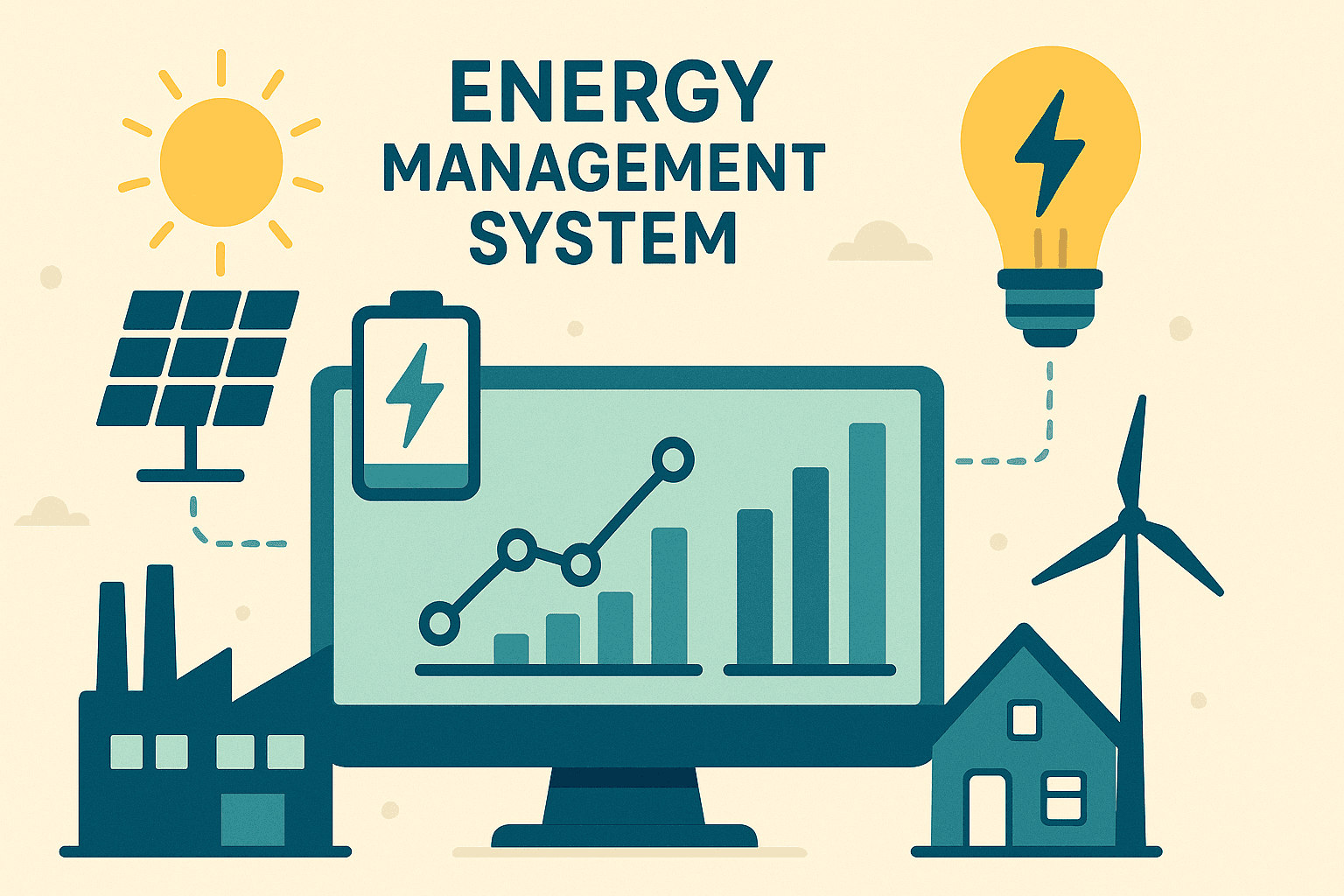
EMS and GACS from 2026: what changes, who it affects, and how to prepare
Dec 12, 2025
Blog
Analytics
From KPIs to concrete steering
Nov 7, 2025
Blog
Analytics
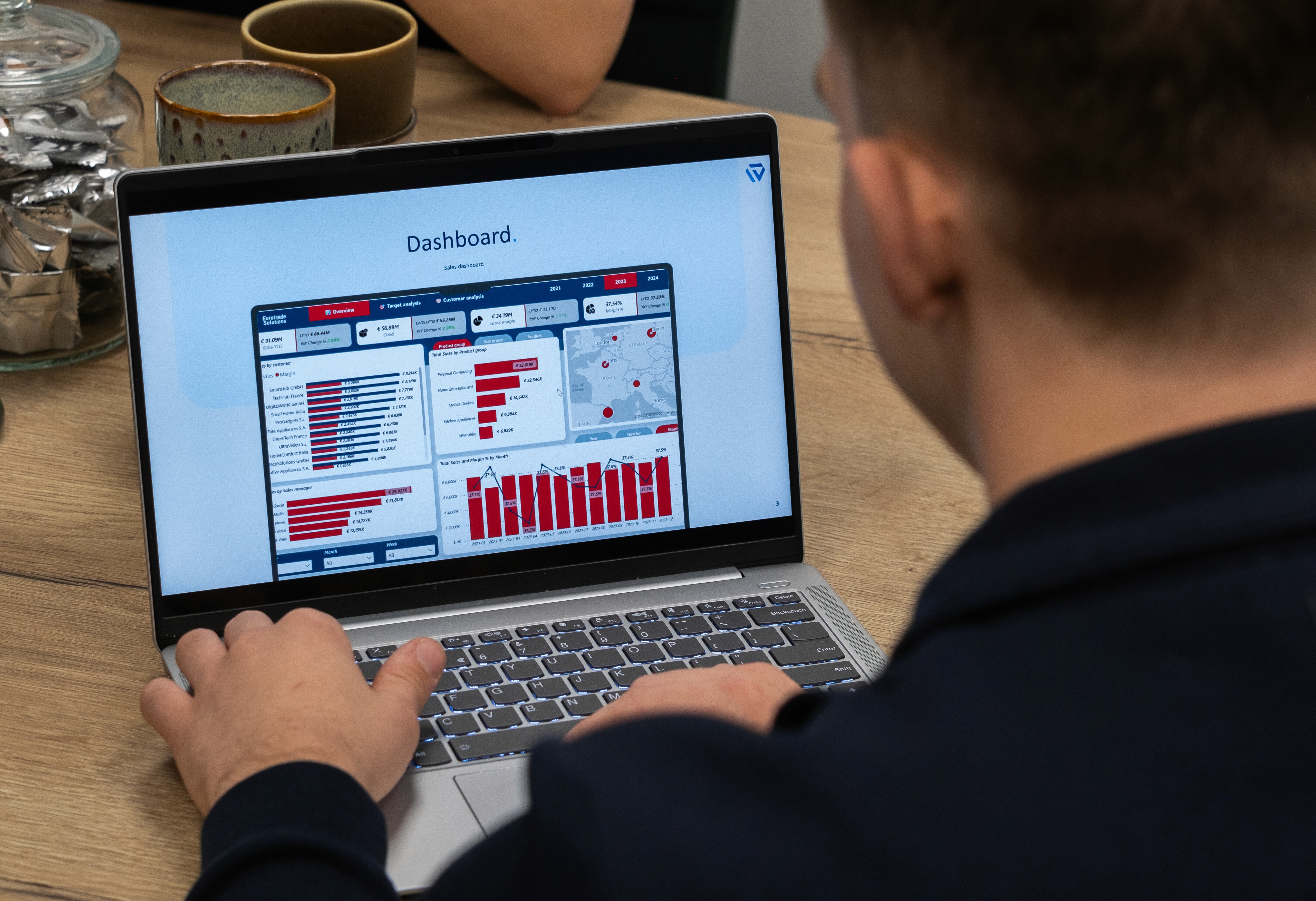
Self-service BI: smart outsourcing to your own key users (or not)
Oct 15, 2025

Blog
IoT
OEE: what is it, what can you do with it, and how do you implement it?
Sep 30, 2025

Curious about how a training
Contact us and discover what VDS can mean for your organization in the field of Artificial Intelligence.

Curious about how a training
Contact us and discover what VDS can mean for your organization in the field of Artificial Intelligence.